

Landing page design in Dallas, TX: How to compare quotes
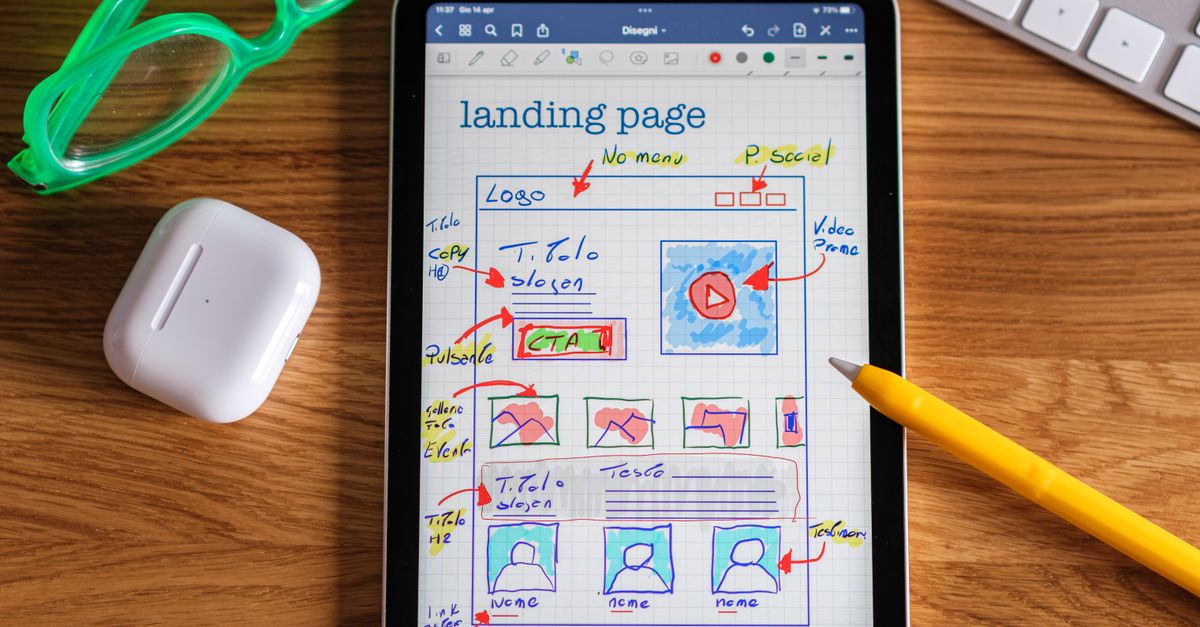
Choosing a web designer for a landing page isn’t just about picking the cheapest bid. In Dallas, where competition is fierce and customers expect fast, conversion‑optimized pages, you need to evaluate each quote against clear, practical criteria. Below I break down what to look for, how to weigh each factor, and what questions will reveal whether a designer can deliver the results your business needs.
1. Understand the Scope of Work
The first step is to clarify what the landing page must achieve: lead generation, sales, event registration, or brand awareness. A vague brief leads to inflated costs and missed deadlines. Ask for a detailed scope that lists:
Key deliverables to verify against a quote
- Wireframe approval before coding
- Responsive design across desktop, tablet, and mobile
- SEO‑friendly URL structure and metadata setup
- Integration with CRM or email marketing tools
- Analytics tracking (Google Analytics, conversion pixels)
If the quote lacks any of these items, you’ll need to negotiate additional fees or adjust expectations. A well‑defined scope also helps you measure progress against concrete milestones and ensures that both parties share a common understanding of success.
2. Pricing Models: Fixed vs Hourly
Designers in Dallas offer either fixed‑price packages or hourly rates. Fixed pricing provides predictability but can hide scope creep; hourly billing offers flexibility but may lead to higher costs if the project drags.
- Fixed price: Best for well‑defined projects with clear deliverables.
- Hourly rate: Useful when you anticipate iterative changes or ongoing maintenance.
Ask how many hours are included in a fixed quote and what constitutes an extra hour. Also inquire about the hourly rate’s baseline—does it cover senior staff, or is it a junior developer’s fee? Understanding this detail helps prevent surprise charges later on.
3. Portfolio and Case Studies
A designer’s past work reveals their style, technical skill, and ability to meet business goals. When reviewing portfolios:
- Look for landing pages that achieved measurable results (e.g., conversion rate improvements).
- Check design consistency—does the aesthetic align with your brand?
- Verify mobile performance; a great desktop page can fail on phones.
If possible, request case studies or client testimonials that include data. In my experience, companies that provide tangible metrics are more likely to deliver results. A portfolio should also show how the designer adapts layouts for different industries—what works for e‑commerce may differ from a B2B service.
In my experience, a designer who shares detailed analytics from past projects demonstrates confidence in their process and transparency about outcomes.4. Technical Expertise and Technology Stack
Landing pages can be built with a variety of tools: static HTML/CSS, WordPress, Shopify, or custom frameworks like React. Consider:
- Will the designer use lightweight code for faster loading?
- Do they support dark mode if that’s part of your brand strategy?
- Can they implement AMP (Accelerated Mobile Pages) for improved search rankings?
A local Dallas designer familiar with the region’s preferred tech stack—often WordPress or Shopify—can streamline integration with existing systems. Ask whether they keep up with modern build tools such as Webpack, SASS, or Vue.js, because these can reduce long‑term maintenance costs.
5. Communication and Project Management
The speed of communication often correlates with project success. Evaluate each quote for:
- Assigned project manager or point of contact.
- Frequency of status updates (weekly, bi‑weekly).
- Preferred collaboration tools (Slack, Trello, Asana).
A clear communication plan reduces misunderstandings and keeps the project on schedule. If a designer offers a dedicated account manager, that’s usually a sign they value client relationships. Additionally, ask if they provide a shared workspace where you can leave comments directly on drafts—this speeds up feedback loops.
6. Timeline Expectations
Landing pages are typically quicker to deliver than full sites, but timelines vary based on complexity. When reviewing quotes:
- Ask for a detailed schedule with milestones.
- Verify buffer time for revisions and unforeseen issues.
- Ensure the delivery date aligns with your marketing calendar (e.g., product launch).
A realistic timeline that includes review periods is essential to avoid last‑minute rushes. If you’re launching a campaign in July, confirm the designer can deliver by early June so you have time for testing and approvals.
7. Post‑Launch Support and Maintenance
A landing page’s life doesn’t end at launch. Consider whether the quote includes:
- Bug fixes for a set period (e.g., 30 days).
- Updates to content or graphics.
- Performance monitoring and optimization services.
Ongoing support can be critical if you plan A/B testing or need quick changes in response to market feedback. Some designers offer optional retainer packages that give you a monthly hour allotment for updates, which can be more economical than ad‑hoc work.
8. SEO Integration and Analytics Setup
Your landing page must rank well and provide data for decision‑making. Look for:
- Keyword research and on‑page optimization.
- Meta title and description creation.
- Structured data implementation (schema.org).
- Analytics and conversion tracking setup.
Even a simple landing page benefits from proper SEO groundwork, especially in Dallas where local search traffic can be highly valuable. Ask whether the designer will submit the page to Google Search Console immediately after launch and monitor impressions and clicks for at least a month.
9. Cost Transparency and Hidden Fees
Some designers quote a base price but add fees for:
- Additional revisions beyond the agreed number.
- Third‑party services (stock images, plugins).
- Hosting or domain registration.
Ask each provider to itemize all potential costs upfront. A transparent quote helps you compare apples to apples and avoid surprises. If a fee list is missing, request a revised proposal that includes every possible line item.
10. Cultural Fit and Client References
Your designer should align with your business culture—especially if you value agility and innovation. Request:
- A brief introductory call to gauge personality.
- References from recent Dallas clients who had similar goals.
- Evidence of a flexible, collaborative approach.
In my experience, designers who actively seek client feedback during the design process tend to deliver higher satisfaction. A quick reference check can confirm that they have handled projects with tight deadlines and evolving requirements in the past.
A clear, itemized quote that includes scope, timeline, and post‑launch support is your best indicator of a designer’s reliability in Dallas.11. Common Pitfalls to Avoid When Comparing Quotes
Even with a solid evaluation framework, some pitfalls can still slip through:
- Over‑promising low prices: If the quote is significantly lower than competitors, ask for details on what’s omitted.
- Lack of clarity in deliverables: Vague language like “high quality design” may hide subjective expectations that lead to disagreements.
- Skipping the revision policy: A generous revision count protects you from costly extra work later on.
Being aware of these common mistakes will help you spot red flags early and maintain control over both budget and quality.
12. Final Decision Checklist
Before signing, run through this quick checklist:
- Scope details match your objectives.
- Pricing model aligns with project size and risk tolerance.
- Portfolio demonstrates relevant results.
- Communication plan is clear.
- Timeline fits marketing strategy.
- Support terms are satisfactory.
If everything checks out, you’re ready to move forward. If not, negotiate or shop around until the numbers and expectations line up.
What’s the most important factor for your business when selecting a landing page designer in Dallas?


