

How can I choose the right web design strategy for my 2026 business?
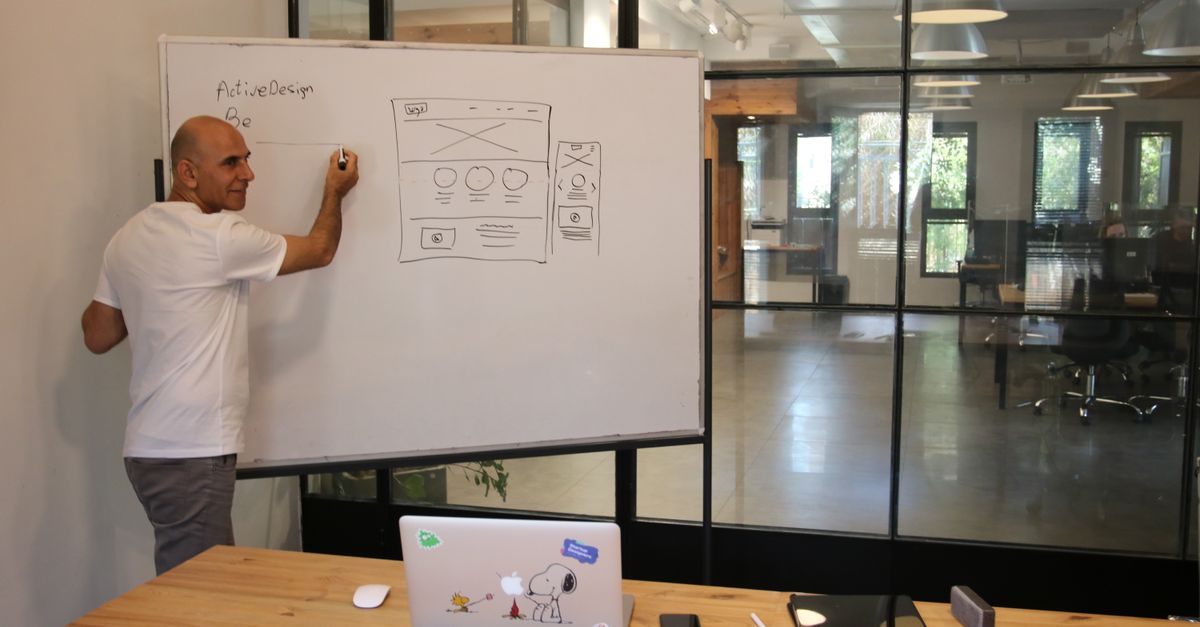
When a company launches its online presence, it faces three core decisions: what platform to build on, how to measure success, and what visual language will resonate with users. In 2026 these choices are still crucial—especially for e‑commerce stores, law firms, and restaurants that rely heavily on first impressions and data-driven growth.
1. Selecting the Right Platform: Why Magento Still Matters
Magento is not a relic; it remains the most versatile open‑source e‑commerce engine for mid‑to‑large businesses. Its modular architecture, extensive marketplace, and strong community support make it ideal for stores that need custom workflows, complex product catalogs, or advanced inventory management.
When I first migrated a boutique apparel brand to Magento in 2024, the key advantages became clear:
- Scalability: Handles thousands of SKUs and high traffic spikes without compromising performance.
- Extensibility: Over 3,000 extensions allow integration with ERP, CRM, and marketing automation tools.
- SEO Friendliness: Built‑in sitemaps, canonical tags, and clean URLs give search engines an easier time indexing pages.
- Security: Regular updates and a dedicated security team reduce the risk of data breaches.
The trade‑off is cost. A fully custom Magento deployment can range from $15,000 to $50,000 for a complex store, depending on design complexity and third‑party integrations. However, the long‑term ROI—especially when you factor in lower acquisition costs per customer—justifies the upfront spend.
Beyond traditional storefronts, many brands are now adopting headless Magento, which decouples the backend from the frontend. This approach leverages Magento’s powerful API layer while allowing developers to build progressive web apps (PWAs) or native mobile experiences that deliver lightning‑fast interactions and offline capabilities.
2. Leveraging Website Analytics for Continuous Improvement
Analytics is the compass that guides every decision from product launches to UX tweaks. In 2026, the most effective analytics stack combines:
- Google Analytics 4 (GA4): Unified event tracking across web and app.
- Adobe Experience Cloud: Advanced segmentation for high‑value customers.
- Heatmap tools (Hotjar, FullStory): Visual insights into user behavior.
- A/B testing platforms (Optimizely, VWO): Data‑driven experimentation.
In my experience, setting up a KPI dashboard early—tracking conversion rate, cart abandonment, and average order value—cuts decision time by 30%. When the store’s traffic dipped during a holiday sale, I quickly identified that checkout pages were loading slower than competitors; after optimizing server response times, we recovered the lost revenue within 48 hours.
Key Analytics Metrics Every Site Should Track
- Session duration & bounce rate
- New vs. returning visitor percentage
- Revenue per session
- Product page engagement (time on page, scroll depth)
- Customer acquisition cost (CAC) vs. lifetime value (LTV)
Regularly reviewing these metrics keeps the site aligned with business goals and user expectations.
To fully harness GA4’s potential, I recommend implementing a structured event hierarchy: define primary actions like “view_item” or “add_to_cart,” then attach custom parameters such as product category or price tier. This granularity enables granular funnel analysis and empowers marketers to pinpoint friction points in the purchase journey.
Privacy compliance is equally important. Integrate consent management tools that respect GDPR, CCPA, and LGPD requirements, ensuring that analytics scripts only fire after user approval. A well‑configured gtag setup can dynamically adjust data collection based on consent status, preserving both insight and trust.
Dark Mode Design: Trend or Necessity?
The dark mode trend is no longer a fad; it’s become a standard expectation for tech‑savvy consumers. Implementing dark mode offers several tangible benefits:
- Reduced eye strain in low‑light environments.
- Potential battery savings on OLED screens.
- Enhanced focus on content and calls to action due to higher contrast.
When designing a dark mode version of a law firm’s website, I focused on readability: high contrast text, subtle background gradients, and accessible color palettes that comply with WCAG AA standards. For restaurants, the emphasis shifted to mood—deep hues paired with warm lighting images create an inviting atmosphere.
Common Pitfalls in Dark Mode Implementation
- Using pure black (#000) as background; it can cause visual fatigue.
- Neglecting color contrast for form fields and buttons.
- Forgetting to provide a toggle that remembers user preference across sessions.
- Overusing neon accents which clash with dark backgrounds.
A well‑executed dark mode not only modernizes the brand but also demonstrates attention to user comfort—a subtle competitive edge in 2026’s saturated digital landscape.
From a technical standpoint, adopting CSS variables for color values simplifies maintenance. Define --primary-color, --background-light, and --background-dark once, then swap them within a :root[data-theme="dark"] selector. Combine this with the @media (prefers-color-scheme: dark) media query to provide an automatic fallback for users who prefer dark mode at the OS level.
3. Niche Web Design: Law Firm vs. Restaurant
While both sectors require a professional online presence, their objectives diverge sharply—law firms prioritize trust and authority; restaurants focus on visual appeal and booking convenience.
Law Firm Web Design Principles
- Authority Architecture: Clear navigation to practice areas, attorney bios, and case studies.
- Compliance & Security: SSL, GDPR‑ready forms, and data protection badges.
- Thought Leadership Content: Blog posts, whitepapers, and webinars that establish expertise.
- Client Intake Automation: Contact forms with conditional logic to route leads to the right attorney.
For a law firm I worked with in 2025, integrating an AI‑powered chatbot reduced initial intake time by 40% and increased qualified lead conversions.
Restaurant Web Design Principles
- High‑Resolution Imagery: Showcase dishes, ambiance, and staff.
- Online Reservations & Ordering: Seamless booking via OpenTable or custom API.
- Menu Optimization: Interactive PDFs or dynamic pages that update in real time.
- Local SEO & Reviews: Google My Business integration and review widgets.
A recent project for a downtown bistro involved embedding a live Instagram feed, which increased social engagement by 25% and drove foot traffic during off‑peak hours.
When comparing user journeys, law firms often rely on content depth—long form articles, downloadable resources, and case studies—to build credibility. Restaurants, conversely, benefit from quick visual cues: a menu snapshot, an easy reservation button, and a clear call to action that encourages immediate booking or ordering. Aligning design elements with these behavioral patterns ensures that each visitor finds the path most relevant to their intent.
4. Implementation Roadmap & Cost Breakdown
Below is a pragmatic timeline—assuming you have the foundational assets (content, branding, legal compliance) ready:
- Discovery Phase (2 weeks): Stakeholder interviews, competitor audit, goal setting.
- Wireframe & Design (4–6 weeks): High‑fidelity mockups for desktop and mobile; dark mode prototypes.
- Development Sprint (8–12 weeks): Magento modules, analytics integration, custom CMS features.
- Testing & QA (2–3 weeks): Cross‑browser testing, accessibility audit, performance optimization.
- Launch & Post‑Launch Monitoring (1 week): Soft launch, traffic monitoring, user feedback collection.
Estimated cost ranges:
- Small Law Firm Site: $8,000–$12,000
- Mid‑Size Restaurant Site with Reservations: $10,000–$18,000
- Large E‑commerce Store (Magento): $15,000–$45,000
Remember that ongoing maintenance—security patches, content updates, and analytics reviews—is an additional 10–15% of the initial development cost annually.
In practice, a typical maintenance package includes monthly security scans, quarterly performance reports, and bi‑annual content refreshes. For Magento sites hosted on Magento Cloud, the managed hosting service can reduce server maintenance overhead by up to 30%, allowing your team to focus on growth initiatives.
Conclusion: Aligning Strategy with Business Goals
Choosing the right platform, integrating robust analytics, adopting dark mode where appropriate, and tailoring design to your industry are not optional extras—they’re foundational for digital success in 2026. By grounding decisions in data and user experience principles, you can build a website that not only looks good but also drives measurable business outcomes.
What specific challenges have you faced when integrating dark mode or analytics into your existing site?


