

Mastering the Art of Web Design: Key Trends and Strategies for 2023
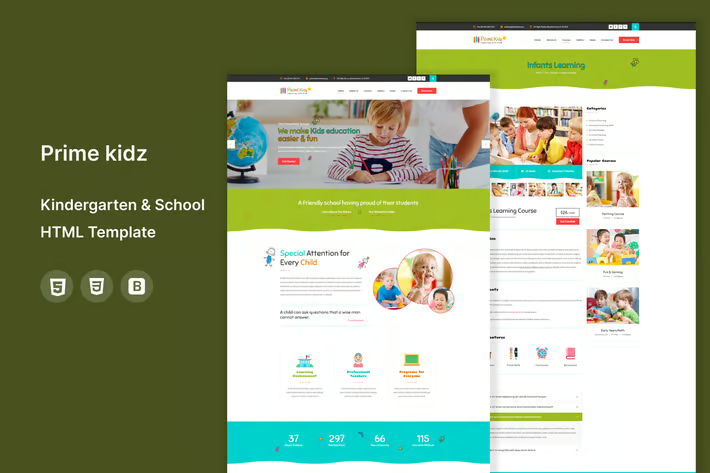
The digital landscape is constantly evolving, and so are the techniques and trends in web design. In this expansive guide, we'll dive deep into the essentials of dark mode website design, web application development, website branding, and responsive web design. Each of these elements plays a crucial role in crafting a successful online presence in today's competitive market.
Dark Mode Website Design: Enhancing Aesthetics and Functionality
The surging popularity of dark mode website design is more than just a trend; it's a crucial strategy to enhance user experience. This design not only reduces eye strain and saves battery life but also offers a modern and sleek look to your website, increasing user engagement.
What Makes Dark Mode So Appealing?
Dark mode website design has a certain aesthetic appeal that catches the eye. Its use of dark background colors with light text improves readability, especially in low-light environments, making it a user-friendly option for many digital natives.
Advantages of Implementing Dark Mode
- Reduces eye strain and increases comfort.
- Extends battery life on OLED and LED screens.
- Offers a modern look that appeals to contemporary users.
- Improves visibility for certain demographics, including users with light sensitivity.
Understanding these benefits can help you decide whether dark mode is a suitable choice for your web application or website.
Web Application Development: Adapting to Modern Needs
Web application development is the backbone of digital services, and adapting to the latest development approaches can significantly impact your business's efficiency and scalability.
Key Strategies for Effective Web Application Development
To stay ahead in the competitive digital space, implementing cutting-edge development methodologies is essential. This segment explores techniques that prioritize performance, security, and user-centric design.
Essential Elements in Web Application Development
- Responsive frameworks like Angular, React, or Vue.js.
- Server-side technologies such as Node.js and ASP.NET.
- Database management systems, e.g., Oracle, MySQL, MongoDB.
- Progressive Web Apps (PWAs) for enhanced mobile experiences.
Integrating these elements ensures that your web applications are robust, secure, and scalable, meeting today's business demands.
Website Branding: Creating a Memorable Identity
A strong brand is invaluable as the battle for customers intensifies day by day. Effective website branding isn't just about a logo or color scheme; it's about consistently communicating your values and promises across all user interactions.
Strategic Approaches to Website Branding
Your website's design communicates more than you might think. It is a direct reflection of your brand, and every element needs to align with the broader narrative you wish to convey.
Components of Successful Website Branding
- Visually compelling logo that resonates with your audience.
- Color palette that reflects your brand's tone and values.
- Consistent typography that enhances readability and user experience.
- User-centric design that promotes easy navigation and engagement.
These components are foundational to creating a cohesive and impactful online brand presence.
Responsive Web Design: Engaging Users Across All Devices
In a world where mobile usage has overtaken desktop browsing, responsive web design is non-negotiable. This design strategy ensures that your site delivers a consistent experience across all screen sizes and devices.
Benefits of Responsive Design
Implementing a responsive design not only enhances user engagement but also contributes to higher SEO rankings, given Google's mobile-first indexing.
Key Features of Responsive Web Design
- Flexible grid-based layouts that adapt to any screen size.
- Optimized images that load efficiently on different devices.
- Media queries that alter site appearance according to the device.
- Touch-friendly navigation elements for better mobile usability.
With these features, your website can offer a seamless and engaging user experience, regardless of how your audience accesses it.
Tags: Dark mode website design, Web application development, Website branding, Responsive web design
In conclusion, mastering these four components of web design can drastically improve your website's effectiveness and user satisfaction. Remember, a well-designed website is not just about aesthetics; it's a crucial tool for communication, engagement, and conversion. Embrace these strategies to ensure your site stays relevant and competitive in the ever-changing digital landscape.


